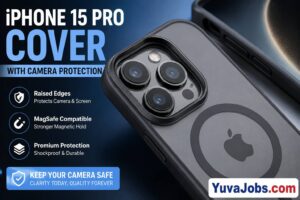
Iphone 16 pro max case with card holder
A phone case quietly changes the way you use your device every single day. The iphone 16 pro max case with card holder isn’t just another accessory—it replaces a wallet for many people, affects wireless charging performance, changes how securely you grip the phone, and determines whether your expensive device survives an unexpected drop.
Many buyers discover this only after purchasing the first attractive case they see online.
Some card holder cases become loose after a month. Others interfere with MagSafe charging. A few protect cards well but make the phone awkward to hold. The best option depends less on appearance and more on how you actually carry and use your iPhone throughout the day.
This guide explains the strengths, weaknesses, and practical differences so you can choose confidently.
Why people choose a card holder case
Carrying fewer items is usually the biggest reason.
Instead of keeping both a wallet and phone in separate pockets, many users combine them into one accessory. That sounds simple, but different designs solve different problems—and choosing the wrong style often creates new frustrations.
Some people only carry one credit card and an ID.
Others need access cards for work, transit cards, hotel keys, or emergency cash.
Because of that, manufacturers build several styles rather than one universal solution.
The most common include:
- Rear pocket cases made from TPU or leather
- Sliding-door card holder cases
- MagSafe wallet compatible cases
- Folio wallet cases
- Hidden storage designs
Each offers different trade-offs between convenience, protection, and thickness.
What features actually matter
Many product listings advertise military-grade protection, premium leather, or RFID blocking. Those claims sound impressive, but real-world performance depends on smaller details.
Card capacity
A case advertised for four cards often becomes difficult to use once fully loaded.
Realistically, two cards plus one folded bill is the comfortable limit for many slim designs. Overstuffing stretches elastic pockets and weakens leather over time.
Camera protection
The iPhone 16 Pro Max camera system sits noticeably higher than previous generations.
Choose a case with raised camera bezels rather than relying only on thicker corners. Even a small lip helps prevent direct contact with tables.
Screen protection
Look for raised front edges around the display.
Even if you install tempered glass, slight elevation reduces impact during flat-face drops.
Button responsiveness
Cheap cases frequently use stiff molded buttons.
Good cases retain a soft click that feels almost identical to using the phone without a case.
And this becomes surprisingly noticeable after hundreds of presses every day.
Types of iPhone 16 Pro Max card holder cases
Rear pocket cases
These are the simplest.
Cards slide into a flexible pocket attached to the back.
Advantages include:
- Slim profile
- Easy access
- Lower price
The downside is security.
Cards may loosen over time depending on material quality.
Sliding compartment cases
These use a hard shell with a hidden storage compartment.
Instead of exposed cards, a plastic door slides open.
Benefits include:
- Better card protection
- Cleaner appearance
- Less chance of cards falling out
The compromise is extra thickness.
Wireless charging also varies depending on compartment design.
MagSafe wallet compatible cases
Many users now prefer separating wallet functionality from the case itself.
Instead of built-in storage, magnets attach a removable wallet.
That provides flexibility—remove the wallet while charging, driving, or gaming.
Here’s the thing: strong magnets matter far more than marketing claims. Weak magnetic arrays may allow the wallet to shift or detach when pulled from tight pockets.
Folio wallet cases
These resemble traditional wallets.
The front cover protects the screen while interior slots store multiple cards and cash.
Some even include kickstands for watching videos.
The drawback is size.
Not everyone enjoys opening a cover every time they check notifications.
Materials make a bigger difference than branding
Material affects durability more than many buyers expect.
TPU
Flexible.
Shock absorbing.
Affordable.
Most everyday users are perfectly happy with quality TPU because it balances grip and protection.
Polycarbonate
Hard plastic shells resist scratches well.
Combined with TPU edges, hybrid construction offers stronger drop protection.
Genuine leather
Leather develops character over time.
It also stretches slightly after months of use (especially around card slots).
High-quality leather generally lasts longer than synthetic alternatives, although it costs considerably more.
Vegan leather
Modern synthetic leather has improved significantly.
Premium versions feel close to genuine leather while resisting moisture better.
The limitation is long-term wear. Lower-quality synthetic finishes may peel after heavy daily use.
Does a card holder affect MagSafe?
Yes—but not always.
This is one area where marketing descriptions can be misleading.
A traditional card holder attached permanently to the back usually reduces MagSafe charging efficiency or prevents accessories from attaching properly.
Cases specifically labeled as MagSafe compatible include built-in magnetic rings positioned correctly for Apple’s charging system.
If wireless charging matters, verify that the case explicitly supports:
- MagSafe charging
- Magnetic accessories
- Qi wireless charging
Those are related but not identical features.
Is RFID blocking necessary?
Many wallet cases advertise RFID protection.
For most users, this isn’t essential.
Modern payment cards already include multiple security layers, and practical RFID theft remains relatively uncommon compared to online fraud.
That said, travelers who frequently use public transportation or carry contactless payment cards may appreciate the additional protection.
Everyday durability after months of use
After extended daily use, several patterns appear.
Elastic pockets gradually loosen.
Leather softens.
Plastic sliding doors may collect pocket lint.
Magnetic wallets lose holding strength only if the magnets themselves are poor quality—not because magnets naturally “wear out” under normal conditions.
So paying slightly more for reputable construction usually saves money later.
Common buying mistakes
Many returns happen for avoidable reasons.
The first mistake is buying solely based on appearance.
A beautiful case that blocks wireless charging becomes annoying quickly.
Another mistake involves ignoring card thickness.
Embossed cards, metal cards, hotel keycards, and access badges occupy different amounts of space.
And some users forget that adding several cards reduces the phone’s ability to sit flat on a desk.
Finally, don’t overlook grip.
Smooth cases may look elegant but become slippery with dry hands.
Textured edges often provide much better everyday confidence.
Who should buy one?
A card holder case makes excellent sense if you:
- Usually carry only one or two payment cards.
- Prefer traveling light.
- Commute daily.
- Frequently use digital payments while keeping a backup card.
- Want fewer items in your pockets.
It may not be the best choice if you carry many loyalty cards, multiple IDs, business cards, or large amounts of cash.
In that situation, a traditional wallet remains more practical.
Choosing the right one
Think about your daily routine before comparing colors or brands.
If you drive often, MagSafe compatibility for car mounts could matter more than carrying an extra card.
If you travel regularly, a secure sliding compartment may offer greater peace of mind than an open pocket.
Realistically, there isn’t one perfect iphone 16 pro max case with card holder for everyone. The best choice balances protection, convenience, wireless charging needs, and the number of cards you actually carry—not the number a manufacturer claims the case can hold.
A little extra research before buying often prevents the disappointment that comes from replacing an inexpensive case just a few weeks later.